During the warmer weather and wildlife breeding seasons, calls to our 1300 ANIMAL hotline don’t stop. On average, our RSPCA team are responding to around 260 animal rescue calls a day. Each tells a different tale.
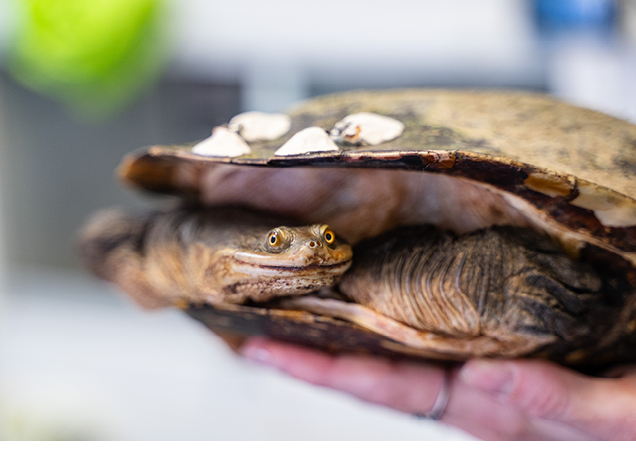
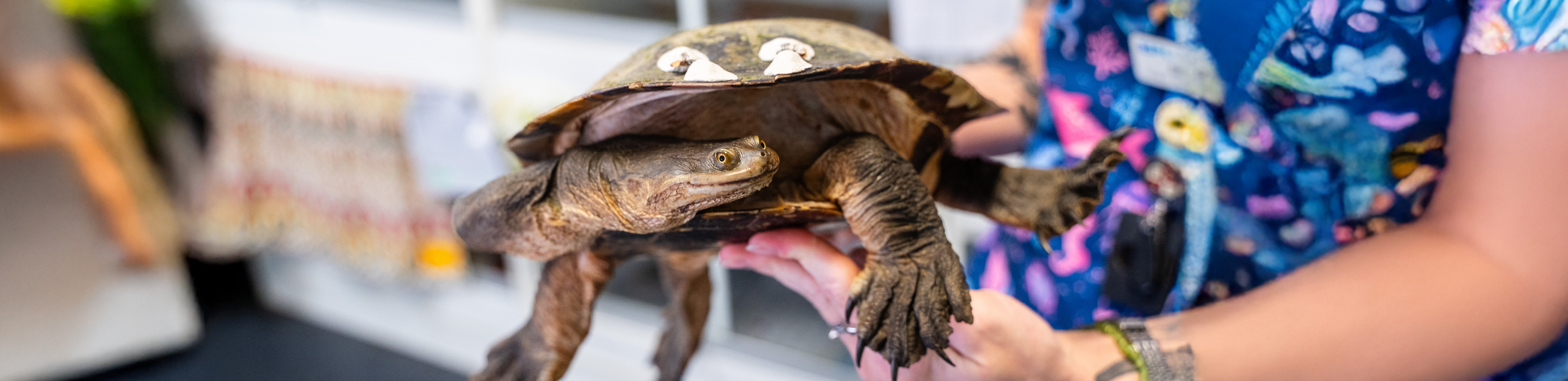
Late last year, our RSPCA Rescue Team attended a call about a saw shelled river turtle that had been hit by a car. Arriving at our RSPCA Wildlife Hospital in Brisbane, the turtle was no spring chicken - likely around 50 years of age!
Named Mira, this poor turtle’s injuries were severe. She had fractures to both her top and bottom shell. Painful and complex with a long road to recovery. But that wasn’t all…
A radiograph revealed that this old mother was carrying 22 eggs!
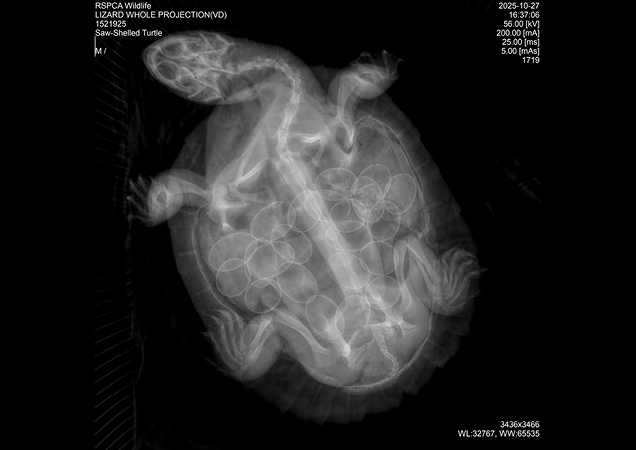
For a turtle like Mira, routine is everything. She no doubt had been returning to the same nesting site, year after year. The pain from her injuries and urgent need for veterinary care, meant her natural instincts were disrupted. If this happens, many turtles simply shut down and never lay.
And Mira couldn’t return to the water while her fractures healed. For weeks, she had to be dry-docked. That meant everything had to be done for her. Hydration. Feeding. Medication. Even exercise. All out of water.
She needed extra care.
That’s where Annette came in.
Annette Bird is a dedicated wildlife carer. She also has something incredibly - the only specialised dry-dock facility for turtles outside a wildlife hospital.
She gave Mira exactly what she needed. Space, quiet, care, and a sand box where she could lay her eggs.
But days passed. Then weeks. Mira didn’t lay on schedule.
Six weeks overdue, the risk became critical. If Mira retained her eggs, it could cost her life.
So, under veterinary supervision, Mira was induced at Brisbane Bird and Exotics Veterinary Service (BBEVS).
On 7 January, she laid all 22 eggs!
No surgery. No complications. Just relief.
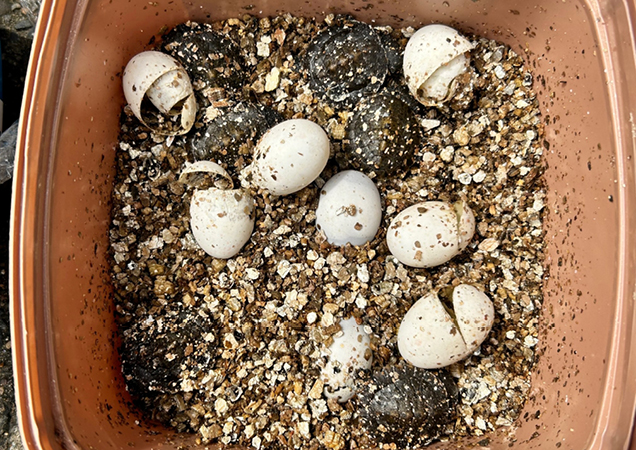
Three eggs were damaged during the laying process. Two could not be saved. But Annette carefully taped one together. And it was a long shot! This broken egg was almost certainly non-viable.
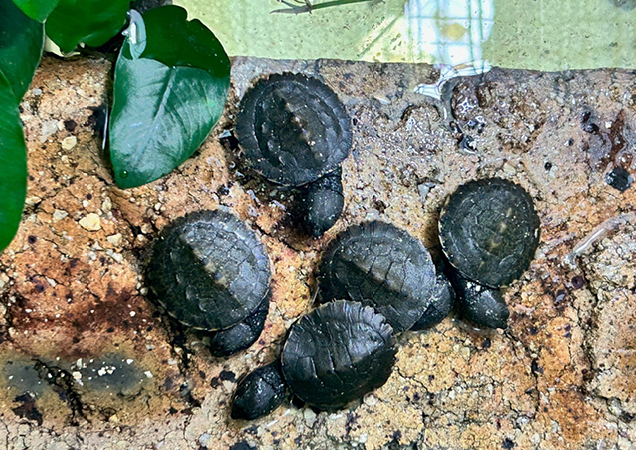
The eggs were incubated and slowly, one by one, they began to hatch.
Against all odds, the taped egg hatched too!
Mira was finally ready after healing and laying her eggs to return to her home in the wild.
15 of her hatchlings were also ready for release back into a river system in Ipswich last week.
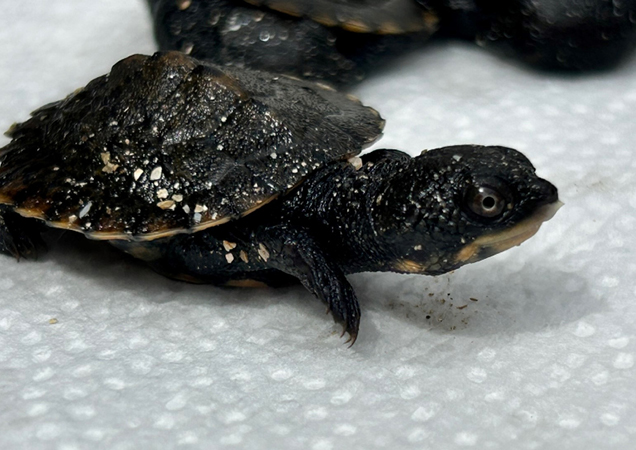
What could easily have been a slow and painful death for Mira if she hadn’t been found and rescued in time, ended up being 21 lives saved!
Animals hit by cars are rising at an alarming rate with RSPCA Rescue call outs to assist, up by 52 percent this year.
In January and February alone, 119 animals were attended by our RSPCA Rescue Team. Last year, during the same period, it was 78.
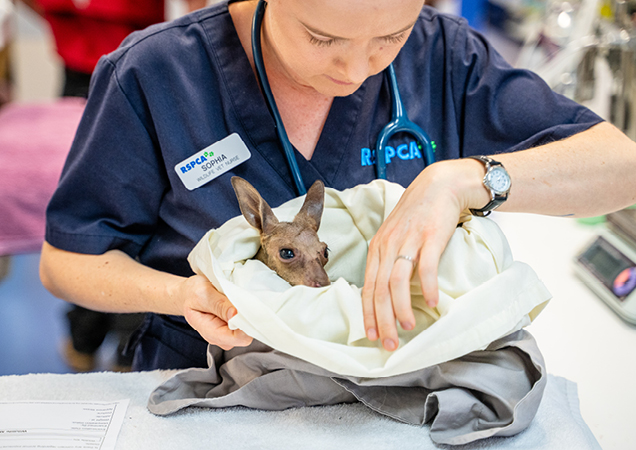
Marsupials like this eastern grey wallaby joey often find themselves orphaned due to vehicle strikes. Her mother had been hit by a car in Logan and sadly didn’t survive. But this little one is now thriving in RSPCA care and slowly healing from her injuries sustained. Thanks to someone calling our 1300 ANIMAL hotline and alerting our Rescue Team, this little one could be saved.
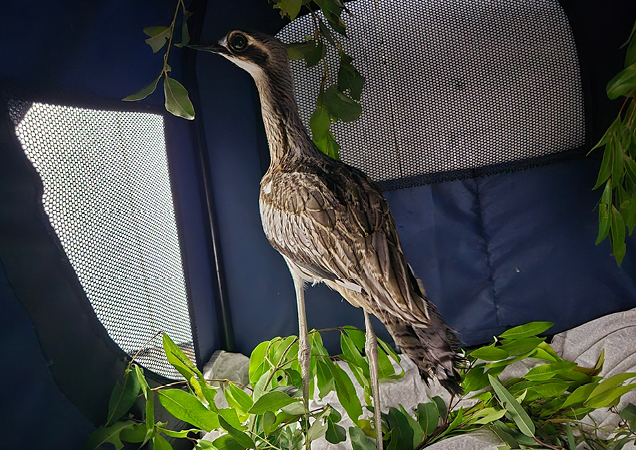
A member of the public recently spotted a bush stone curlew in Taringa hopping on one leg near a busy road. Thanks to their call, our Rescue Team captured the curlew and brought it into our Wildlife Hospital for treatment. After veterinary care and some rest, this little curlew is now back in the wild.
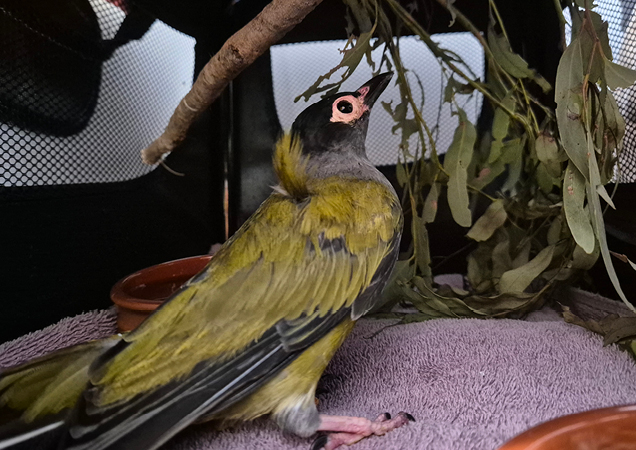
Another recent patient at our RSPCA Wildlife Hospital was a figbird who was found injured on the road in Ipswich and taken into Booval Veterinary Clinic. After a few days of treatment in RSPCA care for head trauma and soft tissue damage, this curious figbird made a full recovery and was released back into the wild.
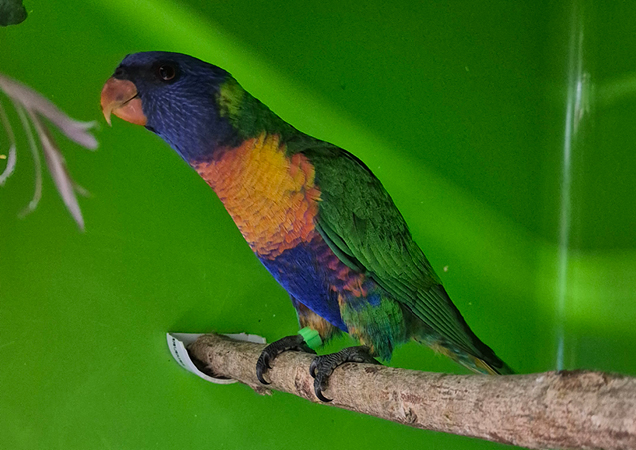
A misjudged flight meant that this poor lorikeet was hit by a car in Springwood. Taken to Veterinary Specialist Services, the bird was picked up by our Rescue Team and treated for trauma in our Wildlife Hospital. Now with a wildlife carer, the lorikeet is on the mend.
While Mira and most of her hatchlings are now back in the wild, we recently received another mother turtle in need of veterinary care. A Broad Shelled Long Necked turtle brought into our RSPCA Wildlife Hospital after being hit by a car at Rathdowney. We hope her recovery is also a smooth one ahead.
Our Rescue Team resources are stretched and we rely heavily on volunteers to help us reach callouts for assistance. That’s why we’re looking for more Volunteer Animal Rescue Officers, particularly across South East Queensland and Toowoomba. Apply online today.
Our volunteers are often the first lifeline for injured and sick animals. Transporting them from vet clinics to our vet hospital and helping conduct animal rescues in the field.
If you ever find an animal in need, help is just a phone call away – 1300 ANIMAL. 7am – 7pm.
As the Communications & Media Manager for RSPCA Qld, Emma's passionate about making a real difference and believes every animal has a story to share. She has over nine years experience working in animal welfare and is the voice for the RSPCA on digital, print and broadcast channels.